
Regulatory Strategy • Commercial Strategy • International Business Development
International growth for science-backed ingredients
International commercialization is complicated because every important decision affects the next.
The science behind the ingredient influences the claims you can support. Claims influence regulatory strategy, which shapes market selection. Safety data tells us which markets are even on the table. Markets determine the right commercial partners. Execution determines whether the strategy succeeds.
Too often, those decisions are made separately.
That's where I tend to come in.
I help companies connect those decisions, figure out which path makes the most commercial sense, and then stay involved to help make it happen.
International commercialization works best when every important decision supports the next.
One of the things I've noticed throughout my career is that companies often approach international commercialization as a series of separate projects. Regulatory develops an approval strategy. Commercial focuses on positioning. Business development looks for distributors. Each group is doing good work, but those decisions are closely connected and often aren't made with the others in mind. By the time everything comes together, it's easy to discover that the pieces don't fit together as well as they could have.
That's really the idea behind Blue Dot. I call on my legal, regulatory, business development, and sales experience to help companies connect those decisions early, build a strategy that works as a whole, and then stay involved to help make it successful.
How I can help
Most of my clients don't hire me because they need a regulatory consultant or a business development consultant. They hire me because they're trying to build an international business around a science-backed ingredient, and they want someone who's been through that process before.
Sometimes that means helping decide which markets make the most sense. Sometimes it's developing the regulatory strategy, finding the right distribution partners, or helping solve problems after the product is already in the market. Often, it’s all of the above. Every project is different, but the goal is always the same: helping clients build successful international businesses.
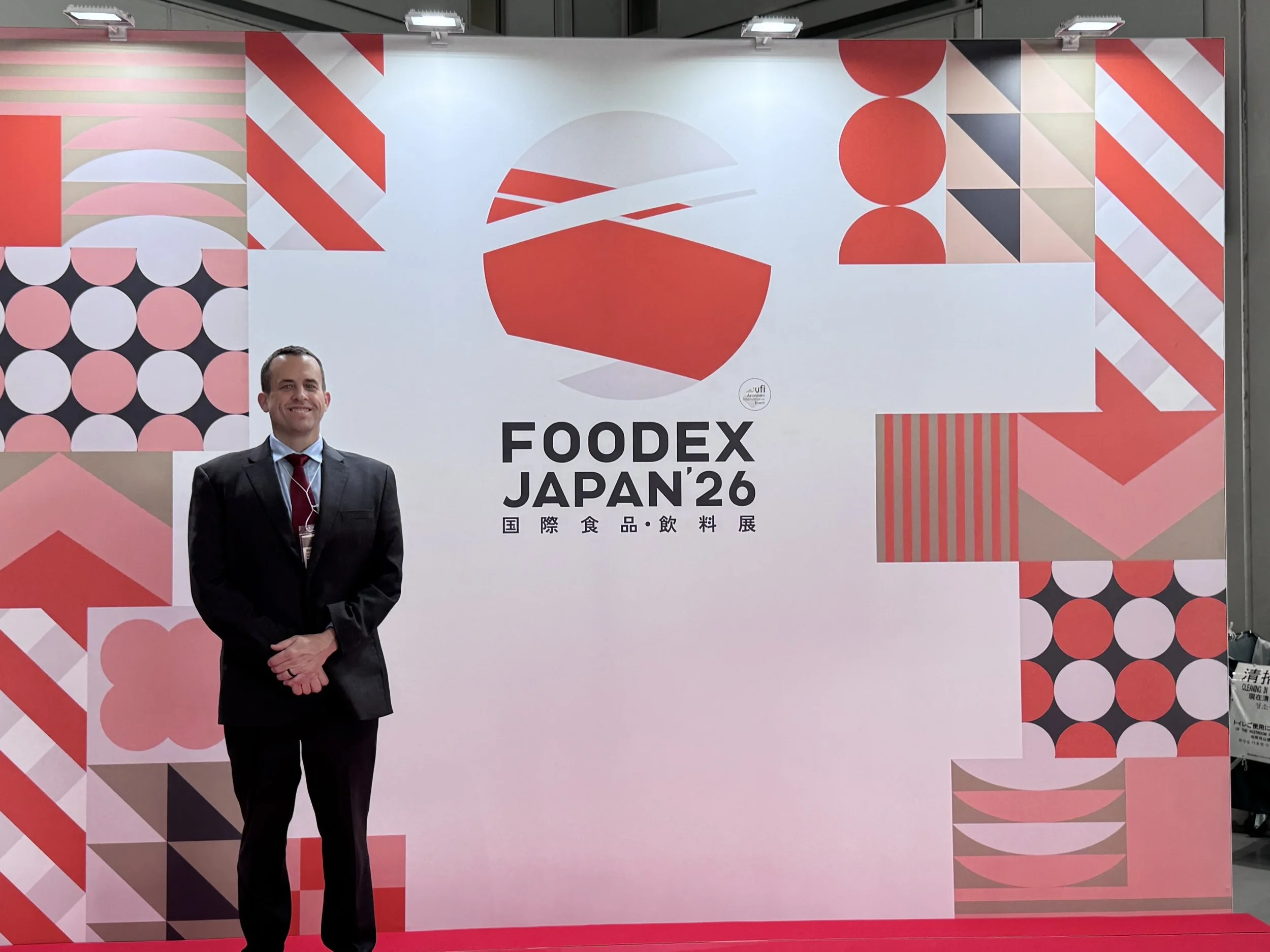
Experience You Can Build On
15+ years of international experience.
30+ countries.
20+ distributors managed.
Hundreds of customer and distributor meetings.
Dozens of international product launches.
50+ international trade shows.
Leadership roles spanning regulatory, commercial strategy, business development, and commercial execution.
Experience matters because every international market is different. Over the course of my career, I've had the opportunity to work with companies, distributors, customers, and regulatory pathways across more than 30 countries. Those experiences have taught me that successful international commercialization rarely comes from following a standard playbook. It comes from understanding the business in front of you and making good decisions along the way.
Let's start with a conversation.
Every ingredient is different. Every market is different.
I usually start by asking a lot of questions, figuring out where the real opportunity is, and being honest about what it will take to get there.